Sotheby’s recently unveiled a spectacular preview event that brought together an extraordinary assembly of art treasures spanning centuries, offering a rare glimpse into the evolving narrative of human creativity. The atmosphere was charged with a palpable sense of anticipation as collectors, curators, and art enthusiasts gathered, not merely to observe, but to engage in a silent dialogue with history. This was more than a simple exhibition; it was a curated journey through time, where each piece served as a poignant testament to the cultural and aesthetic currents of its era.
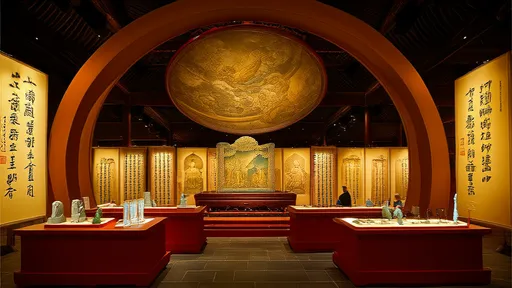
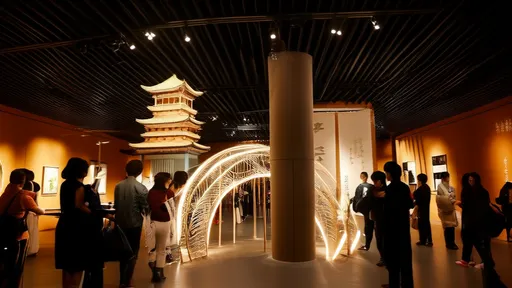
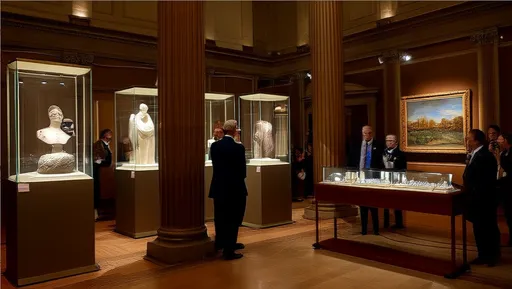
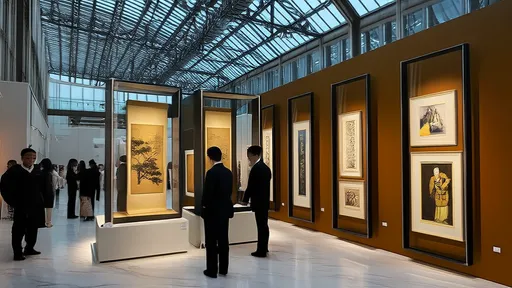
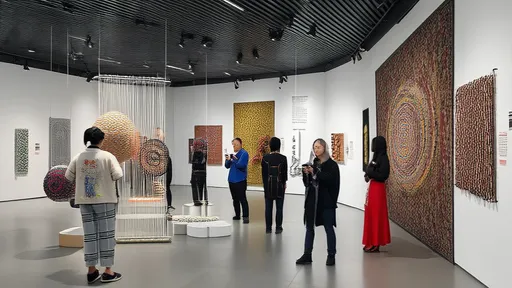
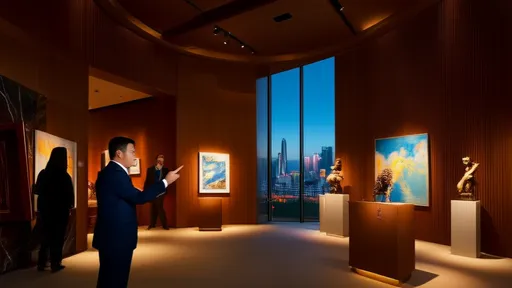
The preview, held in Sotheby’s elegantly appointed galleries, was a masterclass in presentation. The lighting was deliberately subdued, casting a soft, reverent glow upon the artworks, each isolated in its own space yet contributing to a harmonious whole. The careful arrangement encouraged a contemplative pace, inviting visitors to linger before a Renaissance masterpiece as readily as before a bold, contemporary installation. This deliberate curation underscored a fundamental truth that Sotheby’s sought to highlight: the enduring power of artistic expression, regardless of its date of origin.
Walking through the galleries felt like traversing the pages of an art history textbook brought vividly to life. The journey began with works from the Old Masters, where the technical virtuosity of the 16th and 17th centuries was on full display. A small but exquisite oil on panel from the Northern Renaissance, for instance, captivated viewers with its meticulous detail and rich, jewel-like colours. The artist’s skill in rendering texture—from the delicate lace of a collar to the weathered skin of a saint’s hand—was nothing short of breathtaking. These works spoke of a world where art was often in the service of faith or power, yet they transcended their original purposes to communicate universal human emotions.
Transitioning from the solemnity of the Old Masters, the preview seamlessly moved into the vibrant energy of the Impressionist and Modern art sections. Here, the air seemed to change. The brushstrokes became looser, more expressive, capturing light and movement with a revolutionary fervour. A luminous landscape by a key Impressionist figure seemed to shimmer, the dappled sunlight on water achieved through a mosaic of pure colour. Nearby, a powerful bronze sculpture from the early 20th century conveyed raw emotion and dynamic form, a clear departure from classical ideals and a bold step into modernist abstraction. This section celebrated the artist’s shifting perspective—from depicting the world as it is to interpreting the world as it is felt.
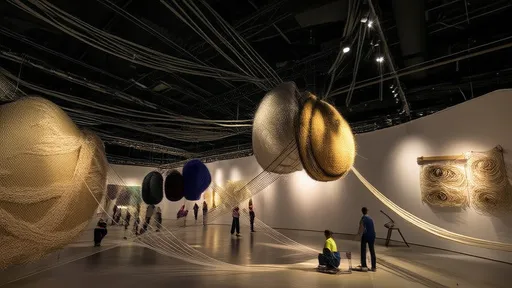
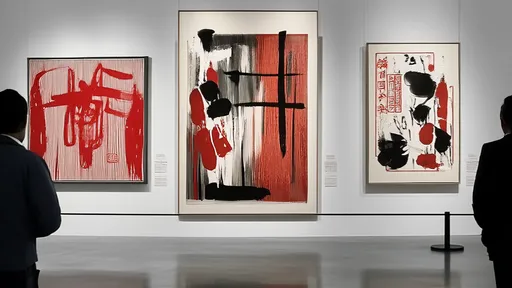
The narrative of artistic evolution continued powerfully into the post-war and contemporary realms. This was where the preview truly highlighted the dramatic ruptures and innovations that have defined recent art history. A monumental abstract expressionist canvas, with its visceral application of paint and scale that enveloped the viewer, stood in stark contrast to the quiet precision of the earlier periods. It was an artwork of action and gesture, demanding an emotional response. Conversely, a minimalist sculpture from the 1960s, with its pristine geometric forms and industrial materials, offered a cool, intellectual counterpoint, challenging definitions of art itself.
Perhaps the most striking dialogues occurred between pieces separated by vast stretches of time. A delicate Ming Dynasty porcelain vase, with its flawless glaze and elegant form, was displayed not far from a sleek, polished steel sculpture by a leading contemporary artist. The connection was not immediately obvious, but upon reflection, it became clear: both objects represented the absolute pinnacle of craftsmanship and material understanding in their respective eras. The vase spoke to centuries of refined ceramic tradition, while the sculpture spoke to modern engineering and a fascination with surface and reflection. Sotheby’s clever staging created these conversations, suggesting that the drive for perfection and beauty is a constant thread throughout art history.
The preview was also notable for its inclusion of significant works on paper and rare manuscripts. A portfolio of etchings by a renowned master revealed the intimate, exploratory side of a artist more famous for his paintings. The fine lines and intricate cross-hatching offered a glimpse into the creative process. Similarly, an illuminated manuscript leaf from the medieval period, with its vibrant pigments and gold leaf still brilliantly intact, was a stunning reminder of art’s role in devotion and knowledge preservation long before the age of print. These pieces added a layer of depth and intimacy to the broader narrative.
Beyond the aesthetic experience, the event served as a crucial barometer for the global art market. The presence of major international collectors and advisors, engaged in hushed, serious conversations, underscored the significant financial and cultural value of the objects on view. Each piece was not just a beautiful object but a potential landmark in a collection, an asset, and a piece of heritage. The preview thus functioned on multiple levels: as a scholarly exhibition, a sensory delight, and a high-stakes commercial preamble.
In conclusion, Sotheby’s media preview was far more than a simple display of assets for upcoming auctions. It was a thoughtfully constructed narrative about the continuity and change inherent in artistic creation. By bringing together masterpieces from diverse periods and cultures, the event celebrated the unique voice of each artist while also illuminating the shared human impulses that drive creativity. It reminded everyone in attendance that art is a living, breathing conversation across centuries. For those fortunate enough to walk through the galleries, it was an unforgettable immersion into beauty, history, and the unending quest for expression that defines our humanity. The anticipation for the auctions themselves is now immense, but the memory of this preview, where these treasures spoke so eloquently to one another, will undoubtedly linger long after the final gavel falls.
By /Sep 25, 2025

By /Sep 25, 2025

By /Sep 25, 2025
By /Sep 25, 2025

By /Sep 25, 2025
By /Sep 25, 2025
By /Sep 25, 2025
By /Sep 25, 2025

By /Sep 25, 2025
By /Sep 25, 2025
By /Sep 25, 2025
By /Sep 25, 2025
By /Sep 25, 2025
By /Sep 25, 2025

By /Sep 25, 2025

By /Sep 25, 2025
By /Sep 25, 2025
By /Sep 25, 2025
By /Sep 25, 2025
By /Sep 25, 2025
