The rhythmic pulse of Latin American music has found a new heartbeat in the heart of Beijing. Last weekend, the sprawling lawns of Chaoyang Park were transformed into a vibrant tapestry of sound and color as the city played host to its first major Latin American Music Festival. For two sun-drenched days, the capital's residents traded the familiar hum of city traffic for the infectious beats of salsa, the soulful strains of bossa nova, and the powerful energy of reggaeton, embarking on a collective auditory journey across the Atlantic.
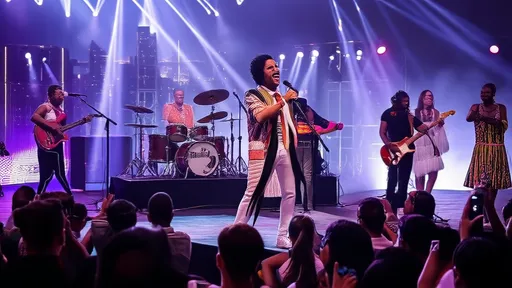
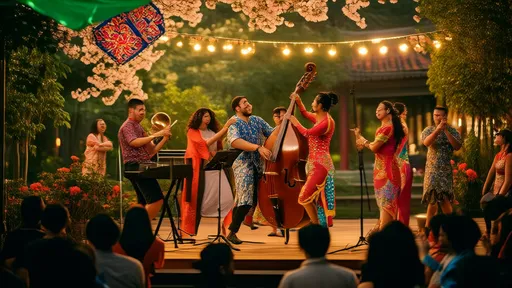
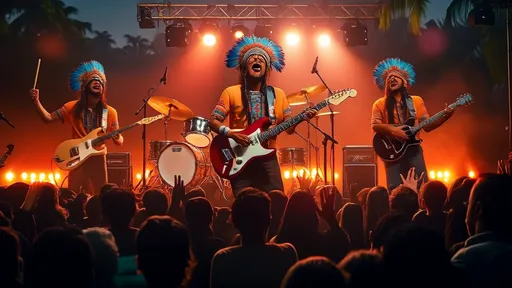
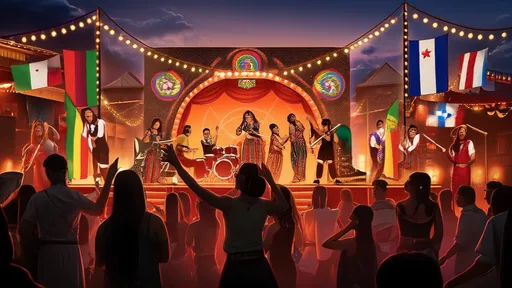
The festival's main stage, a dazzling construction flanked by massive speakers, became the epicenter of this cultural exchange. From the moment the opening act—a fiery Cuban salsa band—took to the stage, the air crackled with anticipation. The musicians, a mix of local talents and artists who had travelled from countries like Colombia, Brazil, and Argentina, were not merely performers; they were cultural ambassadors. Their passion was palpable, spilling from the stage and washing over the crowd in waves of melodic warmth. The lead singer of a Mexican mariachi group, resplendent in a charro suit, didn't just sing; he told stories with his voice, his gestures inviting the audience into a world of romantic ballads and celebratory folk tunes. The connection was immediate and electric, transcending language barriers through the universal language of music.
The audience itself was a sight to behold. It was a diverse mix of curious Beijingers, expatriates from Spanish and Portuguese-speaking nations feeling a pang of homesickness, and young Chinese couples drawn by the promise of something different. At first, many in the crowd watched with a characteristically reserved curiosity, tapping feet and nodding heads gently. But as the rhythms took hold, the reserve began to melt away. A group of elderly women, initially seated comfortably on picnic blankets, were soon swaying their shoulders to a Peruvian cumbia rhythm. Teenagers, smartphones momentarily forgotten, attempted to mimic the complex steps of salsa dancers who had taken to a makeshift dance floor in front of the stage. Laughter and spontaneous applause erupted not just at the end of songs, but in the middle of particularly impressive instrumental solos. The park, usually a haven of tranquil Tai Chi and quiet strolls, was now alive with an unbridled, joyous energy that felt both foreign and wonderfully liberating.
Beyond the main stage, the festival grounds were designed to offer a more immersive experience. Food stalls offered a culinary tour of the continent, with the smoky aroma of Argentine asado grills competing with the sweet scent of Brazilian churros and the zesty tang of freshly made guacamole. Families gathered around tables, sharing plates of empanadas while children, their faces painted with colorful designs, chased each other with balloons. A dedicated workshop area proved to be a major attraction, where professional instructors taught the basics of salsa and samba. The sight of dozens of people, young and old, moving in unison, trying to master the hip movements and quick steps, was a testament to the festival's success in fostering participation rather than passive observation. It was here that the true meaning of the event became clear: it was not just a concert, but a hands-on celebration of a vibrant and diverse culture.
For many attendees, the festival was more than just a weekend outing; it was a significant cultural moment. Wang Lei, a 28-year-old graphic designer, expressed a sentiment echoed by many: "We are so used to Western pop and our own traditional music. This was a completely new sensory experience. You don't need to understand the lyrics to feel the happiness and passion in the music. It makes you want to move, to dance, to celebrate life. It's a feeling we don't often get in our fast-paced lives here." This highlights a growing appetite among Beijing's urban population for authentic cultural experiences that extend beyond the mainstream offerings. The festival served as a bridge, connecting two distant parts of the world through shared human emotion expressed in rhythm and melody.
The organizers faced the significant challenge of adapting a typically boisterous, late-night Latin festival culture to the public, family-friendly context of a Beijing park. The volume was kept at a respectful level, and the event concluded by 10 PM, in keeping with local regulations. Yet, these constraints did not dampen the spirit. If anything, they created a unique, distinctly Beijing version of the Latin festival—one that was energetic yet orderly, exuberant yet inclusive. It proved that the core of such celebrations—community, joy, and musical connection—could thrive in any environment.
As the final notes of a collaborative grand finale—a fusion of a Chinese folk melody with a Brazilian samba rhythm—faded into the night, the sense of fulfillment was tangible. The success of the Latin American Music Festival in Beijing signals a promising new chapter in the city's cultural landscape. It demonstrates that the capital's audience is increasingly sophisticated and eager to engage with the world's diverse artistic expressions. This event was not a one-off novelty, but rather a powerful indication that the global village is getting smaller, and its soundtracks are becoming beautifully intertwined. The echoes of the congas and the strum of the guitarron may have quieted in Chaoyang Park, but the rhythm they introduced continues to pulse, suggesting that this vibrant fusion of cultures is only just beginning.
By /Sep 25, 2025

By /Sep 25, 2025
By /Sep 25, 2025
By /Sep 25, 2025

By /Sep 25, 2025
By /Sep 25, 2025
By /Sep 25, 2025
By /Sep 25, 2025

By /Sep 25, 2025
By /Sep 25, 2025
By /Sep 25, 2025
By /Sep 25, 2025
By /Sep 25, 2025
By /Sep 25, 2025
By /Sep 25, 2025
By /Sep 25, 2025
By /Sep 25, 2025
By /Sep 25, 2025
By /Sep 25, 2025
By /Sep 25, 2025
