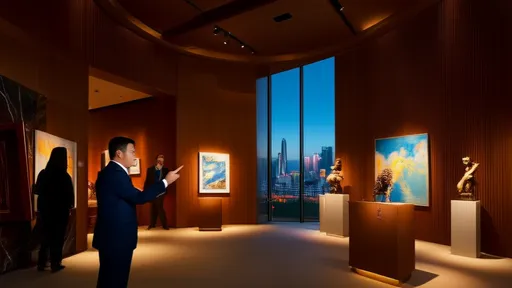
Hong Kong's autumn auction season has once again solidified the city's position as Asia's undisputed art capital, with a series of landmark sales that brought together masterpieces from across the globe. The energy in the auction houses was palpable, a unique blend of focused intensity and theatrical spectacle, as collectors and enthusiasts gathered to witness the convergence of Eastern and Western artistic traditions. This season was not merely about record-breaking hammer prices, though there were plenty; it was a powerful statement about Hong Kong's role as a critical nexus in the international art market, a place where cultural dialogues are forged through bidding paddles and gavels.
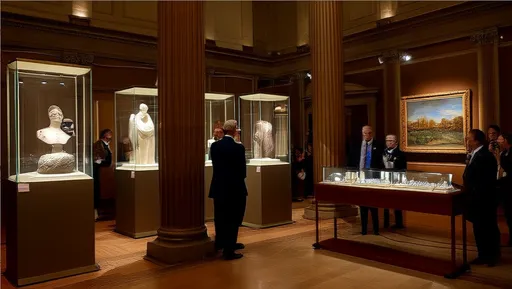
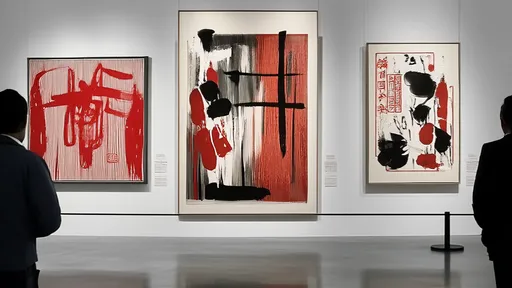
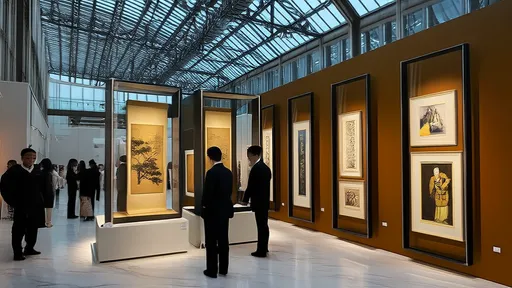
The marquee evening sales were a testament to this global fusion. At one leading house, a majestic Zao Wou-Ki painting from his pivotal 1960s period, a swirling cosmos of vibrant colour and dynamic brushwork that speaks the universal language of abstraction, achieved a staggering price. Its success was immediately followed by fierce competition for a sublime blue and white porcelain vase from the Qing dynasty, its serene beauty and historical significance captivating a room of international bidders. This seamless transition from post-war European abstraction to classical Chinese craftsmanship within a single sale perfectly encapsulated the Hong Kong market's distinctive character. It is a marketplace that does not compartmentalize but rather celebrates artistic excellence on a truly global scale.
Western post-war and contemporary art continued to demonstrate robust demand, with strong results for established giants like Gerhard Richter and a growing appetite for younger, edgier talents. However, the most telling trend was the deepening maturity of the market for Asian artists. Beyond Zao Wou-Ki and Chu Teh-Chun, works by Japanese Gutai artists and Korean Dansaekhwa masters commanded serious attention and impressive prices, indicating a sophisticated and nuanced understanding of different Asian modernist movements among collectors. This is a significant evolution from just a few years ago, when the market was more narrowly focused.
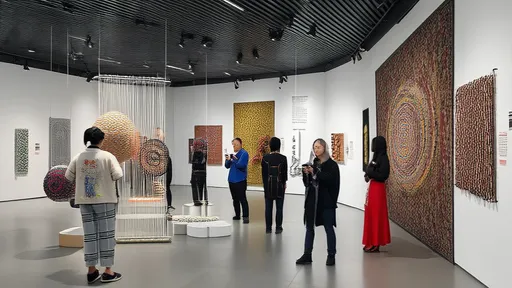
Equally compelling was the performance of contemporary Asian artists. The auction rooms buzzed with excitement for works by stars like Yoshitomo Nara, whose enigmatic children resonated with buyers, and Mona Hatoum, whose politically charged installations found a receptive audience. Chinese contemporary artists, both from the mainland and the diaspora, also saw vigorous bidding, reflecting a complex engagement with rapid social change and cultural identity. The diversity of styles and mediums on offer—from painting and sculpture to video and installation art—showcased the vibrant and multifaceted nature of the contemporary art scene across Asia.
Beyond the headline-grabbing lots, the strength of the market was evident in the strong sell-through rates across various categories. Fine jewellery, with magnificent stones and exceptional craftsmanship, and rare vintage timepieces continued to attract dedicated collectors, further diversifying Hong Kong's appeal. The success of these categories underscores that the city is not a one-dimensional market but a comprehensive luxury and collectibles hub. The auctions function as a barometer of regional wealth and confidence, and the consistent high performance across the board signals a deep and resilient collector base.
The ability of Hong Kong's art market to thrive is inextricably linked to its infrastructure and strategic positioning. The city's status as a free port, with no import duties or sales tax on art, provides an undeniable competitive advantage. Coupled with world-class logistics, storage facilities, and a concentration of international galleries and major art fairs, Hong Kong has created an ecosystem that is exceptionally conducive to the high-stakes art trade. This season, the city was more than just a salesroom; it was a vibrant fortnight of openings, talks, and satellite events that transformed it into a genuine cultural destination.
Looking ahead, the autumn 2023 auctions have set a confident tone for the future. They demonstrated that despite global economic uncertainties, the appetite for top-tier art with solid provenance remains insatiable, particularly in Asia. Hong Kong has successfully positioned itself as the essential gateway, the place where East meets West not as a cliché, but as a commercial and cultural reality. The gavel falls not just on a price, but on a transaction that reinforces the city's pivotal role in shaping the contours of the global art landscape for years to come.
By /Sep 25, 2025

By /Sep 25, 2025
By /Sep 25, 2025
By /Sep 25, 2025
By /Sep 25, 2025
By /Sep 25, 2025
By /Sep 25, 2025
By /Sep 25, 2025

By /Sep 25, 2025
By /Sep 25, 2025
By /Sep 25, 2025
By /Sep 25, 2025
By /Sep 25, 2025
By /Sep 25, 2025
By /Sep 25, 2025

By /Sep 25, 2025
By /Sep 25, 2025
By /Sep 25, 2025
By /Sep 25, 2025
By /Sep 25, 2025
