The vibrant rhythms of Latin America are set to resonate across Chinese concert halls, as a wave of Grammy-nominated artists from Costa Rica prepare for a landmark series of performances. This cultural exchange, far more than a simple concert tour, represents a significant moment in the evolving musical dialogue between China and Latin America. It is a showcase not just of talent, but of the sophisticated, genre-bending sound that defines the modern Latin music scene.
For decades, the perception of Latin music in many parts of the world, including China, was often confined to a handful of stereotypical sounds: the passionate flair of flamenco, the tropical beats of salsa, or the romantic ballads of artists from pop powerhouses like Mexico and Puerto Rico. However, the global music landscape has undergone a seismic shift. The rise of streaming platforms and social media has democratized access, allowing listeners to discover the rich and diverse tapestry of sounds emanating from every corner of the Spanish and Portuguese-speaking world. In this new era, smaller nations with equally potent musical traditions are stepping into the international spotlight.
Costa Rica, a country renowned for its biodiversity and peaceful ethos, is now making its mark on the global music map. The artists nominated for Latin Grammys embody a unique sonic identity that blends traditional Central American folk elements with contemporary urban, pop, and electronic influences. They are the architects of a modern beat—a sound that is both locally rooted and globally relevant. Their music often features intricate percussion patterns inherited from Afro-Caribbean traditions, layered with sophisticated electronic production, heartfelt lyricism, and melodies that speak to a universal human experience.
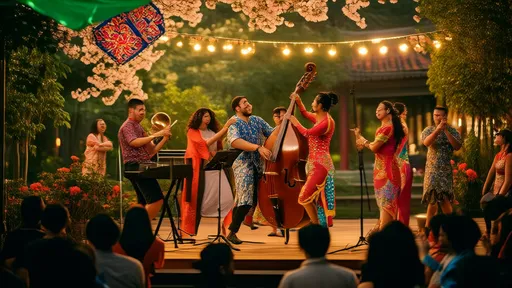
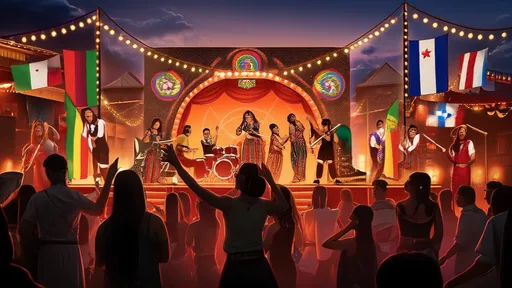
The upcoming concerts in cities like Shanghai, Beijing, and Guangzhou are curated to be a journey through this modern soundscape. Audiences will experience the soulful vocals of a singer-songwriter whose work delves into themes of love, social justice, and environmental consciousness, set against a backdrop of acoustic guitar and subtle electronic textures. They will also be moved by the energetic performances of bands that fuse cumbia and reggaeton with rock and jazz, creating an irresistible, dance-floor-ready energy. This is not music that fits neatly into a single category; it is a testament to the creative freedom and cross-pollination characterizing today's most exciting Latin American music.
Beyond the auditory experience, these performances serve a deeper purpose as a bridge between cultures. Music possesses a unique ability to transcend language barriers and foster mutual understanding. For Chinese audiences, this is an opportunity to connect with Costa Rican culture on an emotional level, to appreciate its nuances beyond the familiar images of rainforests and beaches. The stories told through these songs—of resilience, joy, community, and aspiration—will resonate with Chinese listeners, finding common ground in shared human values.
This cultural initiative reflects a broader trend of growing ties between China and Latin America. As economic and diplomatic relationships strengthen, cultural exchanges are becoming increasingly vital. They build people-to-people connections, dismantle stereotypes, and create a foundation of goodwill and appreciation. The arrival of these acclaimed artists is a clear signal that China's cultural appetite is expanding, embracing a wider, more diverse range of global influences.
The production value of these shows promises to be world-class, with state-of-the-art sound and lighting design that will complement the artists' dynamic performances. Visual elements will likely incorporate projections and imagery inspired by Costa Rica's stunning natural landscapes and vibrant urban life, creating an immersive experience that engages all the senses. The goal is to transport the audience, to make them feel the pulse of San José's nightlife and the serenity of its national parks through the power of music and visual art.
For the artists themselves, performing in China represents a monumental career milestone. It is a chance to introduce their work to one of the world's largest and most rapidly evolving music markets. The feedback and connection with a new audience will undoubtedly influence their future creative directions. Moreover, they act as cultural ambassadors, carrying the flag for Costa Rica's burgeoning creative industry and demonstrating that their small nation is a significant source of world-class artistic innovation.
In conclusion, the arrival of Costa Rica's Latin Grammy-nominated musicians in China is far more than a series of concerts. It is a significant cultural event that highlights the evolution of Latin music into a complex, modern art form. It celebrates the specific contributions of Costa Rican artists to this global phenomenon and opens a new chapter in Sino-Latin American cultural relations. For those in attendance, it will be an unforgettable immersion into the sophisticated and infectious modern beat of a nation whose musical voice is finally being heard on the world's biggest stages. This is not just a performance; it is a conversation, a connection, and a celebration of the universal language of rhythm and melody.
By /Sep 25, 2025

By /Sep 25, 2025

By /Sep 25, 2025

By /Sep 25, 2025

By /Sep 25, 2025
By /Sep 25, 2025
By /Sep 25, 2025
By /Sep 25, 2025

By /Sep 25, 2025
By /Sep 25, 2025

By /Sep 25, 2025
By /Sep 25, 2025
By /Sep 25, 2025

By /Sep 25, 2025

By /Sep 25, 2025
By /Sep 25, 2025

By /Sep 25, 2025

By /Sep 25, 2025
By /Sep 25, 2025
By /Sep 25, 2025
