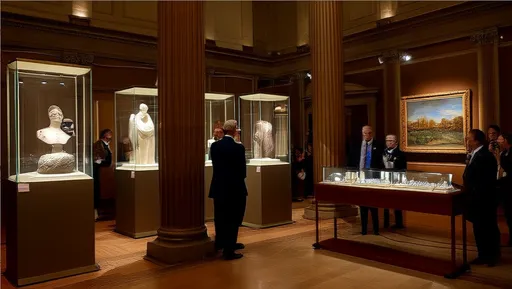
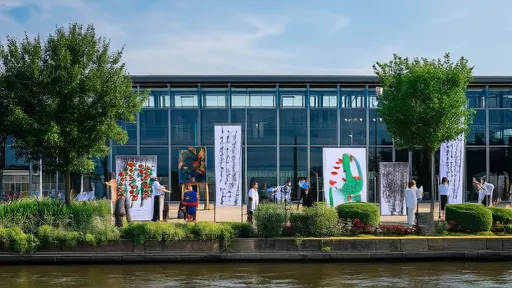
In a vibrant celebration of cultural diplomacy, the exhibition "From the Huangpu River to the Elbe: A Symphony by Chinese and German Artists" has opened its doors in the historic city of Hamburg. The event, held at the prestigious Hamburg Kunsthalle, marks a significant moment in the ongoing artistic dialogue between the two nations, weaving a rich tapestry of visual narratives that span continents and centuries. The opening night was a resplendent affair, attended by a distinguished gathering of diplomats, curators, artists, and art enthusiasts, all drawn by the promise of a unique cross-cultural encounter.
The atmosphere was electric with anticipation as the guests mingled under the grand arches of the museum's entrance hall. The air buzzed with a mixture of German and Mandarin, a fitting prelude to the symphony of styles awaiting inside. The curator, Dr. Anja Schmidt, in her opening address, eloquently described the exhibition as more than a mere collection of artworks. "This is a conversation," she declared, her voice resonating through the silent, attentive crowd. "It is a dialogue initiated not with words, but with color, form, and spirit. It is about finding the universal language of human emotion that flows as powerfully as the Huangpu and the Elbe." Her words set the tone for an evening dedicated to discovery and mutual appreciation.
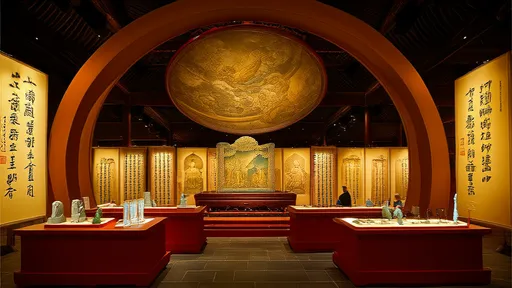
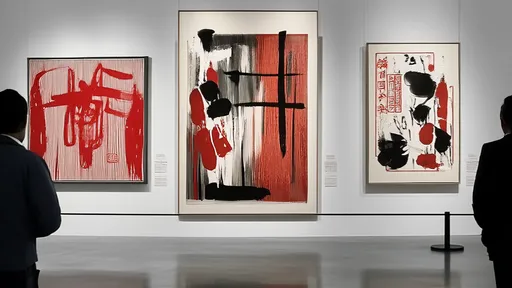
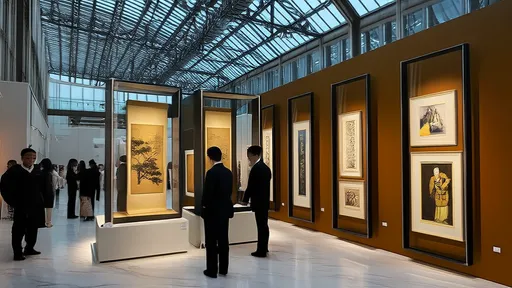
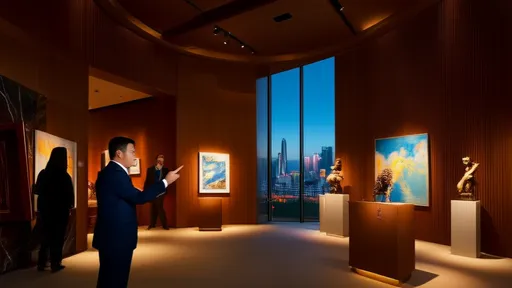
The exhibition itself is a masterfully curated journey. It avoids the simplistic East-meets-West dichotomy, instead opting for a more nuanced exploration of thematic parallels and personal interpretations. The works are not segregated by nationality but are interwoven, creating unexpected dialogues between pieces. A monumental ink wash painting by the renowned Shanghai-based artist Li Wei, depicting the misty, dynamic skyline of Pudong, is placed in deliberate conversation with a stark, geometric abstraction of Hamburg's port by German artist Klaus Richter. The contrast is striking, yet a shared sense of urban energy and the relentless flow of commerce and life binds them together.
Walking through the galleries, one encounters a fascinating interplay of techniques and philosophies. The German section showcases a strong presence of contemporary photography and installation art, often characterized by a critical, analytical gaze. A particularly powerful piece by artist Maria Vogel consists of a series of large-scale photographs exploring the industrial landscapes along the Elbe, their stark beauty tinged with a poignant commentary on environmental change. The texture of rusting metal and crumbling concrete is rendered with such clarity that it feels tangible.
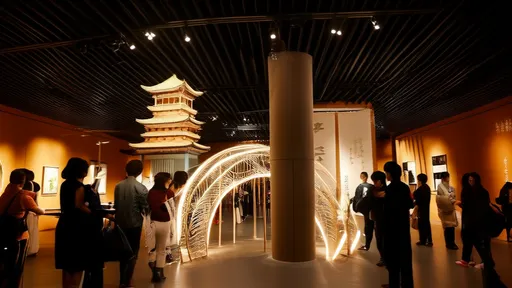
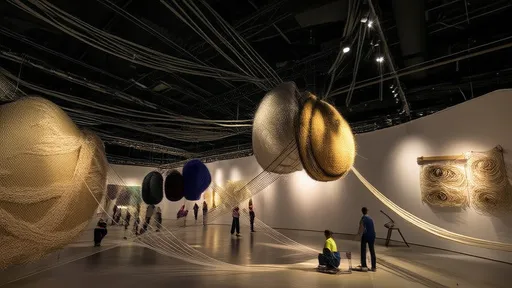
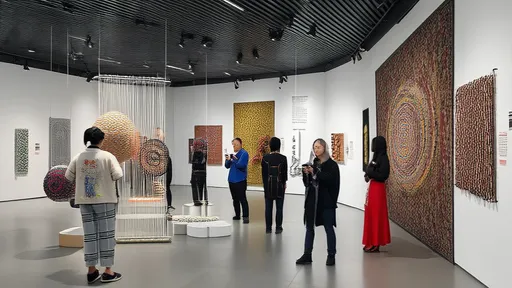
In response, the Chinese artists present a profound engagement with materiality and tradition, often infused with a deep, spiritual sensibility. A breathtaking installation by the young artist Zhang Xiaofan, entitled "Whispering Bamboo," uses thousands of slender bamboo strips suspended from the ceiling, through which visitors can walk. As they move, the strips gently clatter against each other, creating an immersive, sonic environment that references both the classical Chinese literati's love for bamboo and a contemporary, minimalist aesthetic. The piece is a testament to the living, evolving nature of artistic heritage.
The heart of the exhibition, however, lies in its collaborative pieces. Several works were created specifically for this project through residencies and digital exchanges between paired artists from each country. One standout is a mixed-media triptych titled "Confluences," a joint effort by Berlin-based painter Johann Bauer and Hangzhou sculptor Wang Shu. Bauer's expressive, gestural brushstrokes, laden with rich oils, are interlaid with Wang's delicate, laser-cut rice paper forms depicting traditional Chinese cloud patterns. The fusion is not seamless; it is intentionally jarring yet harmonious, much like the meeting of two great rivers—distinct currents merging to form a mightier whole.
The opening ceremony was graced by the presence of high-level officials, underscoring the exhibition's importance beyond the art world. The Chinese Consul General in Hamburg, in his speech, emphasized the role of art as a bridge. "In a world often divided by misunderstanding, cultural exchanges like this are vital," he stated. "They allow us to see the world through each other's eyes, to appreciate our differences and celebrate our common humanity. The Huangpu and the Elbe may be thousands of miles apart, but tonight, in this room, they flow together." His German counterpart echoed this sentiment, highlighting Hamburg's history as a port city open to the world and its commitment to fostering international partnerships.
For the artists present, the event was deeply personal. For many, it was the first time seeing their work in dialogue with that of their counterparts in a foreign land. The sense of camaraderie was palpable. Over glasses of Riesling and delicate canapés, conversations flowed freely. An elderly German printmaker could be seen in animated discussion with a young Chinese digital artist, their hands sketching shapes in the air, transcending the language barrier through the universal lexicon of creative process.
The critical reception has been overwhelmingly positive. Art critics from major European publications have praised the exhibition's ambitious scope and intelligent curation. The Hamburg Abendblatt described it as "a visual feast that challenges preconceptions and invites quiet contemplation," while an online arts journal noted its success in "avoiding cultural clichés to present a more authentic and complex portrait of two vibrant artistic scenes." The exhibition is not just a display of art; it is an educational experience, with detailed wall texts and an interactive digital guide that provides deeper context into the artists' inspirations and techniques.
"From the Huangpu River to the Elbe" is scheduled to run for three months in Hamburg, after which a modified version will travel to the Power Station of Art in Shanghai, completing the cultural exchange. Its opening in Germany is more than just the launch of another art show; it is a significant chapter in the long and storied relationship between China and Germany. It demonstrates a shared belief in the power of creativity to build understanding and friendship. As the last guests departed into the cool Hamburg night, the artworks remained, silent yet eloquent ambassadors in a continuing symphony of cross-cultural dialogue, their melodies poised to resonate long after the final note of the opening night's applause had faded.
By /Sep 25, 2025
By /Sep 25, 2025
By /Sep 25, 2025
By /Sep 25, 2025
By /Sep 25, 2025
By /Sep 25, 2025
By /Sep 25, 2025
By /Sep 25, 2025
By /Sep 25, 2025
By /Sep 25, 2025
By /Sep 25, 2025
By /Sep 25, 2025
By /Sep 25, 2025
By /Sep 25, 2025

By /Sep 25, 2025
By /Sep 25, 2025
By /Sep 25, 2025
By /Sep 25, 2025
By /Sep 25, 2025
By /Sep 25, 2025
