As the crisp autumn air descends upon Beijing, a different kind of warmth is generated within the city's vibrant art scene, fueled by the luminous glow of screens and the intricate code of digital creation. This season, the spotlight falls firmly on the intersection of art and technology, with pioneering digital artist Bu Hua leading the charge. Her latest series of works, unveiled at a major exhibition, is not merely a display of technical prowess but a profound exploration of contemporary consciousness, solidifying technology's role as a central medium in the narrative of modern Chinese art.
The name Bu Hua has long been synonymous with the evolution of digital art in China. From her early flash animations that captured the whimsical and often melancholic spirit of urban life to her more recent, large-scale digital paintings and immersive installations, Bu Hua has consistently pushed the boundaries of what digital tools can express. Her art is a unique alchemy, blending traditional Chinese aesthetic sensibilities with a sharp, futuristic vision. She draws inspiration from folklore and mythology, recontextualizing these ancient stories within the sleek, sometimes sterile, landscape of the digital age. Her characters, often ethereal and androgynous, navigate worlds that are at once familiar and utterly alien, reflecting the disorienting experience of life in an increasingly technologically mediated society.
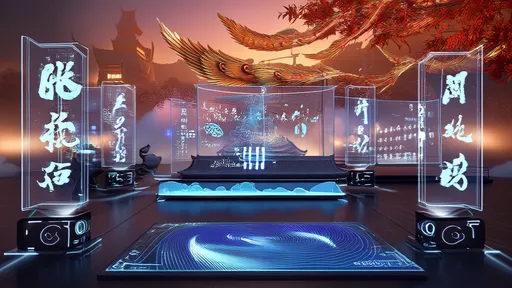
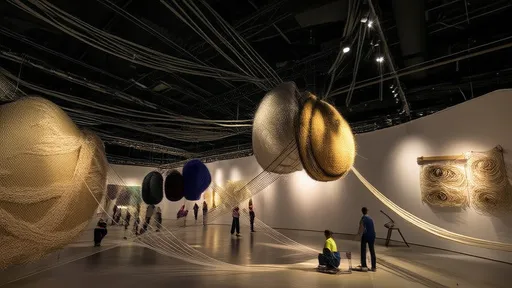
Her new collection, presented as the centerpiece of the "Synaptic Visions" exhibition, marks a significant evolution in her artistic journey. While her signature style—characterized by vibrant, saturated colors and meticulously detailed, otherworldly environments—remains intact, the new works delve deeper into themes of artificial intelligence, bio-digital fusion, and the nature of memory and identity in a hyper-connected world. One particularly striking piece, titled "Echoes of a Synthetic Dawn," is an immersive video installation that surrounds the viewer with cascading data streams and morphing organic forms. It creates a sensory overload that is both beautiful and unsettling, forcing a contemplation of our own relationship with the ever-expanding digital ecosystem we inhabit.
Another notable work, "The Garden of Algorithmic Serenity," presents a stark contrast. It is a large-scale, interactive digital painting that responds to the presence and movement of viewers. Delicate, algorithmically generated flora and fauna bloom and recede, creating a tranquil, meditative space that questions the very definition of "natural" beauty. Is a peacefulness crafted by code any less authentic than that found in a physical forest? Bu Hua's work poses these questions without offering easy answers, inviting dialogue and introspection.
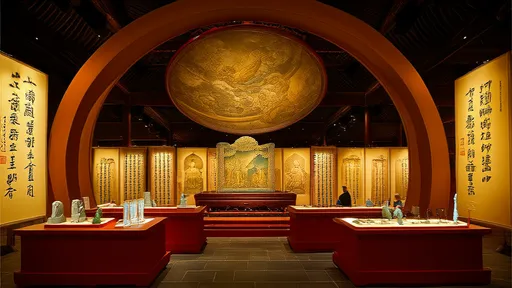
The timing of this exhibition is particularly significant. Beijing, a city steeped in millennia of history, is simultaneously racing towards the future, establishing itself as a global hub for innovation. This creates a unique cultural ferment where ancient traditions collide with cutting-edge technology. The burgeoning tech-art scene is a direct product of this environment. Galleries and institutions across the city are increasingly dedicating space to new media art, recognizing its power to articulate the complexities of the present moment. Bu Hua's success and recognition are both a cause and effect of this shift; she is a pioneer who has helped legitimize the medium, and her continued innovation inspires a new generation of artists to explore the creative potential of technology.
What sets Bu Hua's work apart, and indeed what elevates the entire tech-art movement beyond a mere gimmick, is the profound conceptual depth underpinning the dazzling visuals. Her art is not about the technology itself, but about using technology as a lens to examine the human condition. The digital realm, for Bu Hua, is a metaphor for the contemporary psyche—a space of infinite possibility, fragmented identities, and relentless information flow. Her paintings and installations are maps of this internal landscape. They explore feelings of loneliness within digital crowds, the search for authenticity in a world of curated online personas, and the haunting beauty of memories preserved as digital fragments.
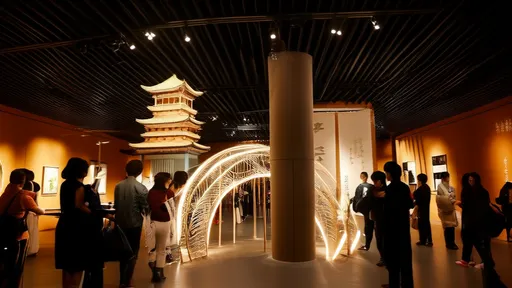
The critical and public reception to her new works has been overwhelmingly positive, signaling a mature and receptive audience for tech-art in Beijing. Viewers are not just passive observers; they are often participants, drawn into the narratives Bu Hua weaves. The interactive elements of her installations break down the traditional barrier between the artwork and the audience, creating a more embodied and personal experience. This engagement is crucial, as it mirrors our daily interactions with technology—a two-way street of input and output, influence and being influenced.
Beyond the gallery walls, the influence of artists like Bu Hua is permeating broader culture. Her distinctive visual language can be seen influencing fields from fashion design to architectural visualization. The themes she grapples with—the ethics of AI, the future of human connection, the preservation of culture in a digital format—are among the most pressing questions of our time. By addressing these issues through art, she makes them accessible, emotional, and urgent. She transforms abstract technological concepts into visceral experiences that resonate on a deeply human level.
As the autumn leaves continue to fall, Bu Hua's exhibition stands as a beacon, illuminating the path forward for art in the 21st century. It demonstrates that technology, when wielded by a sensitive and insightful artist, is not a cold, impersonal force but a powerful tool for storytelling, critique, and emotional connection. Her new works are more than just an autumn highlight; they are a significant milestone in the ongoing dialogue between humanity and its creations. They assure us that as our world becomes increasingly digital, the role of the artist—as a seer, a critic, and a guide—is more vital than ever. The future of art is not a choice between the brush and the processor, but a synthesis, and in Beijing this season, that future is brilliantly, beautifully on display.
By /Sep 25, 2025
By /Sep 25, 2025
By /Sep 25, 2025
By /Sep 25, 2025
By /Sep 25, 2025
By /Sep 25, 2025
By /Sep 25, 2025
By /Sep 25, 2025
By /Sep 25, 2025
By /Sep 25, 2025
By /Sep 25, 2025
By /Sep 25, 2025
By /Sep 25, 2025
By /Sep 25, 2025

By /Sep 25, 2025
By /Sep 25, 2025
By /Sep 25, 2025
By /Sep 25, 2025
By /Sep 25, 2025
By /Sep 25, 2025
