The 798 Art Festival, Beijing's premier contemporary art event, has inaugurated its most ambitious project to date: the International Art Exchange Center Thematic Exhibition. Running through the end of October, this sprawling showcase is more than a mere collection of artworks; it is a vibrant, pulsating hub for cross-cultural dialogue, firmly establishing 798 as a critical nexus in the global art landscape. The exhibition transcends geographical and ideological boundaries, presenting a curated narrative of our interconnected world through the diverse lenses of over two hundred artists from nearly fifty countries.
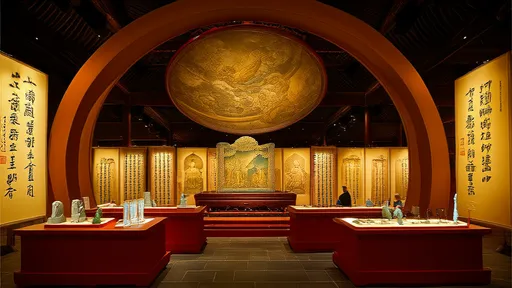
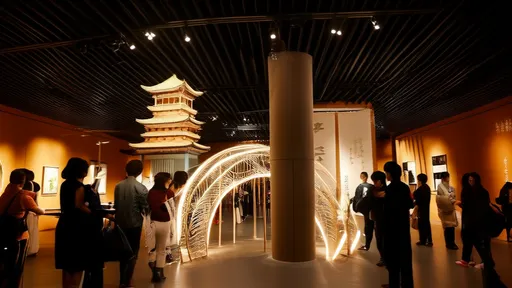
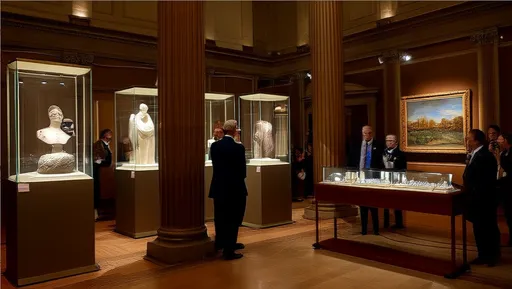
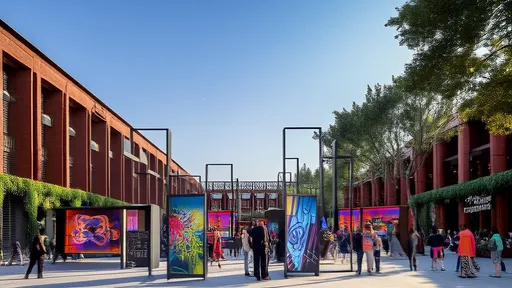
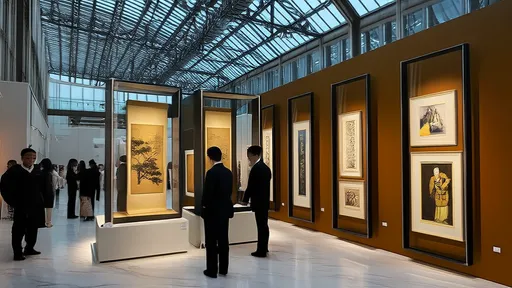
Upon entering the vast, repurposed industrial spaces of the 798 Art District, visitors are immediately immersed in an environment where the past and future collide. The raw, brick-and-beam architecture, a relic of Beijing's industrial era, provides a powerful, textured backdrop for the cutting-edge creations within. The thematic exhibition is not confined to a single hall but is strategically dispersed across several key galleries, including the renowned UCCA Center for Contemporary Art and the Pace Gallery, encouraging a journey of discovery. The central theme, "Converging Currents: A Dialogue of Disparate Voices," serves as a guiding principle, exploring the friction and fusion that occur when different artistic traditions, political perspectives, and personal histories meet.
The curatorial team, led by the visionary Dr. Li Wei, has masterfully avoided a simplistic, region-by-region presentation. Instead, works are grouped by conceptual affinity, creating unexpected and thought-provoking juxtapositions. A monumental, hyper-realistic sculpture by a German artist, examining post-industrial decay, might share a room with a delicate, intricate installation by a Japanese artist that utilizes traditional lacquerware techniques to comment on modern consumerism. The dialogue between the pieces is palpable, forcing viewers to draw connections they might otherwise have missed. This curatorial bravery is the exhibition's greatest strength, challenging conventional art historical categorizations and proposing a new, more fluid model for international exchange.
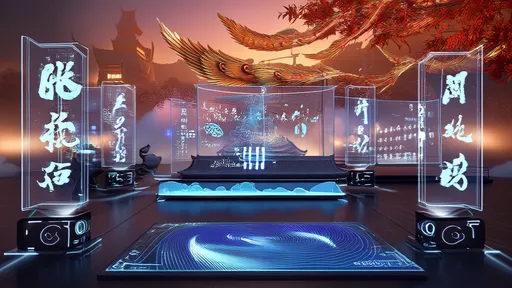
A significant portion of the exhibition is dedicated to new media and digital art, reflecting the festival's commitment to forefronting the art of the 21st century. In one darkened gallery, a mesmerizing AI-generated video piece from a collective in the Netherlands projects ever-shifting landscapes that respond to the ambient noise of the crowd. Nearby, an interactive installation from Brazil invites visitors to manipulate light and sound using their own body movements, creating a unique, collaborative artwork with each interaction. These works not only demonstrate technical prowess but also engage directly with contemporary questions about technology's role in shaping human perception and community.
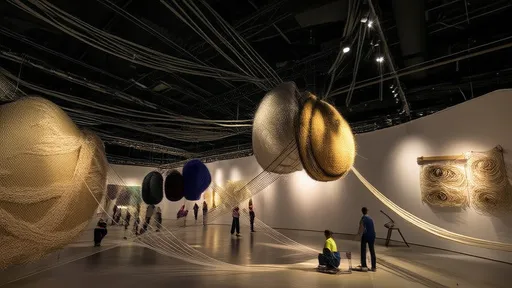
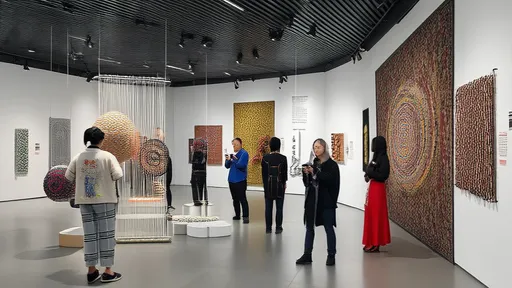
Yet, the exhibition is far from a celebration of pure technology. There is a powerful and deeply humanistic thread running through the entire show. A series of poignant photographic essays by artists from across Africa and the Middle East document themes of migration, displacement, and resilience with unflinching honesty. These works serve as a crucial reminder of art's capacity for bearing witness and fostering empathy on a global scale. Similarly, a collection of textile-based works, incorporating traditional weaving and embroidery techniques from South America, Southeast Asia, and Eastern Europe, speaks to the enduring power of craft and the stories woven into material culture.
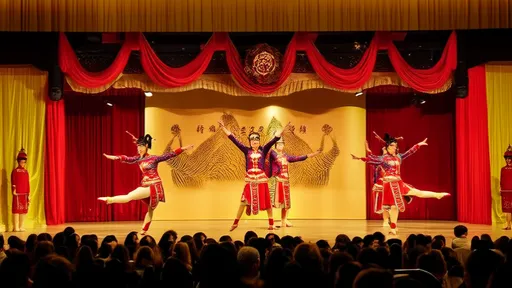
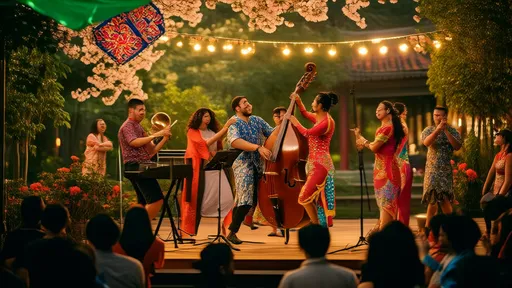
The International Art Exchange Center is conceived not as a temporary event but as a lasting legacy of the 798 Art Festival. Throughout the exhibition's run, a robust program of ancillary events will animate the district. Weekly artist talks feature creators from different corners of the globe discussing their practices and the challenges of working in an international context. Curator-led tours provide deeper insights into the thematic connections, while panel discussions involving critics, historians, and gallery directors grapple with pressing issues like cultural appropriation, the art market's globalization, and the future of physical exhibitions in an increasingly digital world.
The impact of this exhibition extends beyond the art world cognoscenti. The 798 Art District has long been a popular destination for both domestic and international tourists, and this thematic show is drawing record crowds. The accessibility of the themes—connection, identity, memory, and the environment—resonates with a broad audience. It is common to see visitors spending hours engaged in lively debate in front of a particularly challenging piece, a testament to the exhibition's success in sparking conversation. Educational workshops for school groups are fully booked, ensuring that the next generation is also part of this international dialogue.
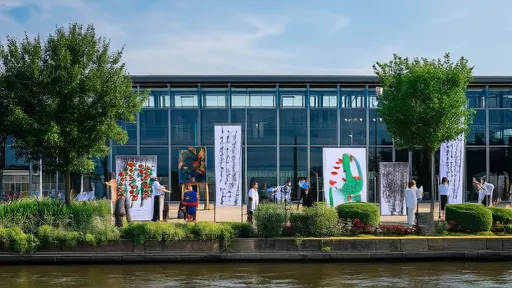
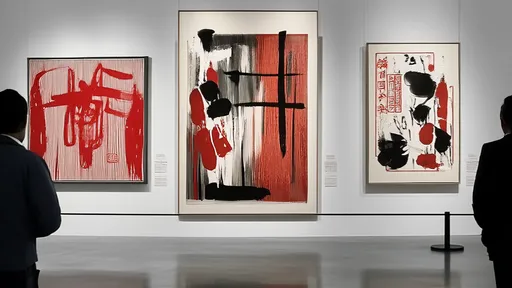
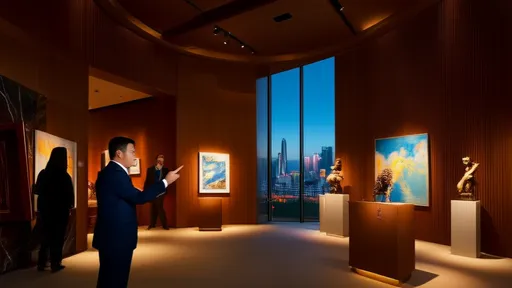
As the autumn light filters through the large factory windows of 798, illuminating the diverse artworks within, the success of the International Art Exchange Center Thematic Exhibition becomes evident. It is a bold statement about the role of art in a fractured world. By creating a space where a painter from Norway can be in silent conversation with a sculptor from Ghana, and where a digital artist from South Korea can find common ground with a performance artist from Mexico, the exhibition argues powerfully for the necessity of cultural exchange. It demonstrates that while art may spring from local conditions and personal experience, its capacity to communicate, to challenge, and to unite is universal.
With its run continuing until the end of October, the exhibition offers a sustained opportunity for immersion and reflection. It is more than a must-see event on the autumn cultural calendar; it is a vital, ongoing experiment in building bridges through creativity. The "Converging Currents" have indeed begun to flow in 798, and their ripple effects are likely to be felt in the global art community for years to come, solidifying Beijing's position not just as a consumer of international art trends, but as a dynamic and essential producer of them.
By /Sep 25, 2025
By /Sep 25, 2025
By /Sep 25, 2025
By /Sep 25, 2025
By /Sep 25, 2025
By /Sep 25, 2025
By /Sep 25, 2025
By /Sep 25, 2025
By /Sep 25, 2025
By /Sep 25, 2025
By /Sep 25, 2025
By /Sep 25, 2025
By /Sep 25, 2025
By /Sep 25, 2025
By /Sep 25, 2025
By /Sep 25, 2025
By /Sep 25, 2025
By /Sep 25, 2025
By /Sep 25, 2025
By /Sep 25, 2025
