The art of selecting music for a wedding live band performance is a delicate balance between personal taste, crowd appeal, and the emotional flow of the event. Unlike recorded playlists, a live band brings an irreplaceable energy that can elevate the entire celebration. The process involves more than just picking popular songs; it requires thoughtful consideration of the couple's story, guest demographics, and the shifting moods throughout the day.
Understanding the couple's musical identity forms the foundation of any successful wedding band repertoire. Many modern duos meet through shared musical interests, making song selections deeply personal. A skilled band leader will spend time learning about how the couple's favorite artists or concert experiences intertwine with their relationship timeline. That Coldplay song they slow-danced to at their first music festival together? The jazz standard playing when he proposed at that speakeasy? These become non-negotiable anchors around which the rest of the setlist revolves.
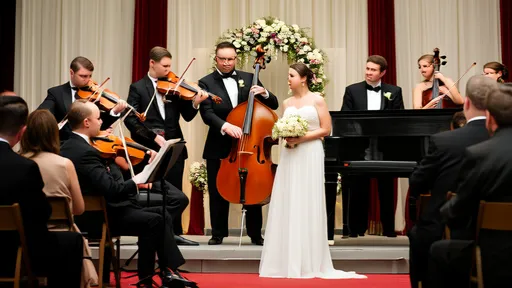
The ceremony itself demands a different musical approach than the reception. Processional songs carry immense emotional weight as they accompany life-altering moments. Many bands report that brides increasingly request contemporary arrangements of classical pieces or indie folk ballads rather than traditional wedding marches. The key lies in tempo - the music must match the natural walking pace while building anticipation. During the cocktail hour, the energy should transition smoothly from the ceremony's formality to the reception's celebration without jarring shifts.
Demographic considerations often separate good wedding bands from great ones. A family-heavy guest list might call for more cross-generational classics, while a crowd of thirty-something professionals could handle deeper album cuts. The most requested songs surprisingly remain consistent across regions - from "At Last" by Etta James to modern hits like Ed Sheeran's "Thinking Out Loud." However, regional flavors do emerge; Southern weddings frequently include line dances, while coastal celebrations might feature more yacht rock.
Seasoned wedding musicians develop an almost psychic ability to read crowds and adjust sets accordingly. That moment when grandparents start migrating toward the dance floor calls for Motown or early Beatles. When the champagne kicks in and ties come loose, the band knows to shift into high-energy classics. The true magic happens during those unplanned moments - when the groom requests his mother's favorite song for an impromptu mother-son dance, or when the entire wedding party spontaneously sings along to an acoustic version of the couple's "song" during last call.
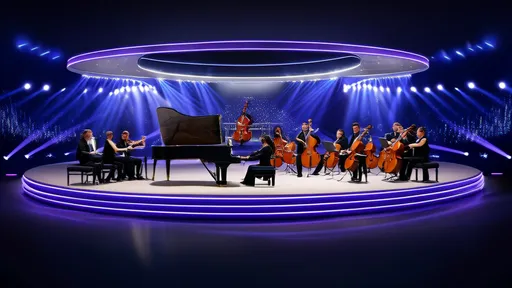
Instrumentation plays a crucial role in song selection flexibility. Bands with horn sections can punch up Motown and disco numbers, while those with pedal steel guitars add authenticity to country selections. Many top wedding groups now include members who can switch between multiple instruments, allowing for richer arrangements. This versatility enables them to perform credible versions of everything from Bruno Mars to The Eagles without losing musical integrity.
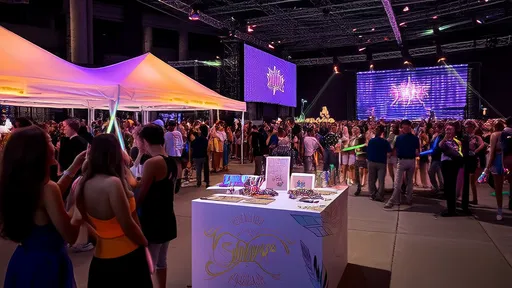
The final hour of the reception often separates memorable weddings from forgettable ones. Rather than winding down, the best bands carefully build toward a climactic finale. This might mean saving anthemic crowd-pleasers like "Don't Stop Believin'" or "Sweet Caroline" for the last set, when dance floors typically reach maximum capacity. Some bands employ the "fake ending" technique - appearing to finish before launching into one final explosive number that brings everyone back for a triumphant last dance.
Technology has changed wedding band dynamics, but not in the ways many expect. While digital tools help with arrangements and setlist organization, the human element remains irreplaceable. Apps can't replicate the spontaneity of a vocalist changing lyrics to incorporate the couple's inside jokes or a guitarist extending a solo because the crowd's energy demands it. The most sought-after wedding bands master this balance between preparation and improvisation.
Budget considerations inevitably affect musical choices, but creative solutions exist at every price point. Smaller bands might focus on acoustic interpretations or medleys that cover multiple eras efficiently. Larger ensembles can invest in authentic recreations of specific genres. Some couples opt for a hybrid approach - booking a premium band for the reception while hiring specialized musicians (string quartets, mariachi players, etc.) for specific ceremony moments.
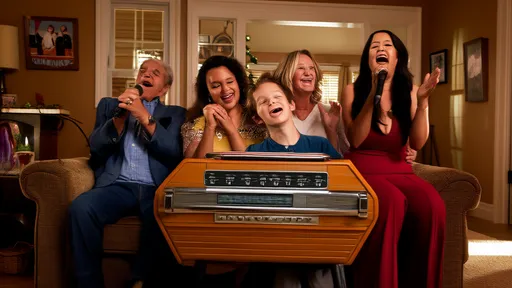
The aftermath of a well-curated wedding performance lingers long after the last note fades. Guests remember how the music made them feel - that surge of nostalgia during the parent dances, the collective joy of singing along to a beloved chorus, the intimacy of a perfectly timed slow song. For the couple, these musical choices become woven into their shared history, ensuring the soundtrack of their wedding day continues to resonate throughout their marriage.
By /Aug 13, 2025

By /Aug 13, 2025

By /Aug 13, 2025
By /Aug 13, 2025
By /Aug 13, 2025
By /Aug 13, 2025
By /Aug 13, 2025

By /Aug 13, 2025
By /Aug 13, 2025

By /Aug 13, 2025
By /Aug 13, 2025
By /Aug 13, 2025

By /Aug 13, 2025
By /Aug 13, 2025
By /Aug 13, 2025
By /Aug 13, 2025

By /Aug 13, 2025
By /Aug 13, 2025

By /Aug 13, 2025

By /Aug 13, 2025
